St. Louis Logistics Vacancies
Active Carriers Recruiting Locally
...
HOT JOBS
St. Louis CDL-A Intelligence
Mississippi River Freight Gateway & Midwest Manufacturing Distribution CDL-A Market Analysis
St. Louis CDL-A Market Overview & Industrial Freight Network
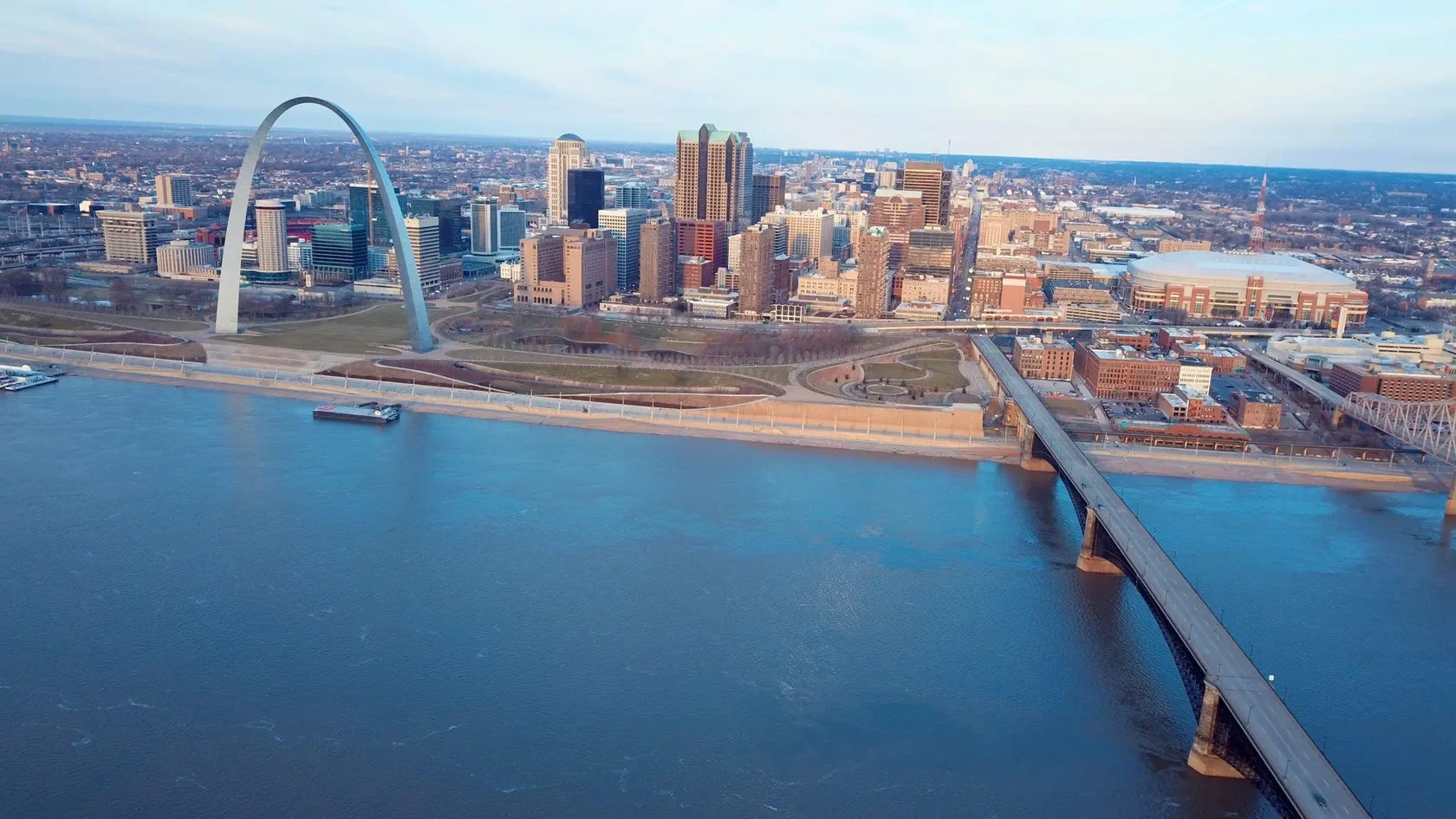
St. Louis operates as a major freight interchange between the Midwest, South, and Great Plains, with its location along the Mississippi River creating a unique transportation advantage. The metropolitan area supports a diverse CDL-A market built around manufacturing, food production, agricultural commodities, chemicals, construction materials, and regional distribution networks.
The city's freight economy is not dependent on a single industry. Instead, trucking demand is generated by the combination of river terminals, rail connections, industrial facilities, and large warehouse operations throughout Missouri and neighboring Illinois markets. Interstate corridors including I-70, I-55, I-64, and I-44 allow carriers to move freight efficiently between Chicago, Kansas City, Memphis, Indianapolis, and Dallas.
St. Louis continues to attract both experienced and developing drivers because carriers operate a wide range of equipment including dry vans, reefers, flatbeds, tankers, and intermodal containers. New CDL holders often enter the market through CDL-A training and placement programs that connect graduates with regional and national freight opportunities.
Freight activity around the St. Louis region creates consistent demand for qualified drivers across multiple carrier types. Available positions can be tracked through CDL-A job listings covering industrial freight, dedicated accounts, intermodal operations, and long-haul transportation.
Mississippi River Logistics, Intermodal Freight & St. Louis Trucking Corridors
The Mississippi River remains one of the defining factors behind St. Louis freight activity. River terminals handle agricultural products, bulk commodities, and industrial materials that require truck transportation for warehouse transfer, manufacturing supply, and regional delivery. This creates steady opportunities for CDL-A drivers involved in bulk, dry van, and specialized hauling.
The St. Louis transportation market also benefits from strong rail infrastructure and intermodal connections. Container movements, distribution centers, and manufacturing suppliers create freight lanes that extend throughout the Midwest, making the area an important operating base for carriers managing multi-state routes.
Regional drivers commonly operate freight corridors connecting St. Louis with major markets such as Chicago, Louisville, Memphis, Kansas City, and central Illinois. These routes support predictable mileage patterns and structured schedules through regional CDL-A opportunities serving Midwest supply chains.
Long-haul carriers also use St. Louis as a strategic departure point because of its central location and highway access. Drivers looking for broader mileage options can explore OTR CDL-A positions connecting Missouri freight with nationwide transportation networks.
Driver Earnings, Safety Requirements & Technology Trends in St. Louis
CDL-A compensation in the St. Louis market reflects the region's freight diversity. Drivers working in specialized segments such as tanker, intermodal, flatbed, and dedicated manufacturing accounts often see different earning structures depending on equipment requirements, experience level, and route responsibilities.
Understanding realistic income expectations is important when comparing opportunities across the region. Drivers can evaluate weekly and annual earning potential using the CDL-A salary calculator to compare different freight categories and pay models.
Safety compliance plays a significant role in St. Louis trucking operations due to heavy interstate traffic, industrial zones, river crossings, and mixed freight environments. Drivers transporting regulated materials or operating specialized equipment must maintain strict adherence to DOT safety standards.
Technology adoption is also reshaping freight operations throughout the St. Louis market. Modern fleets increasingly use electronic logging systems, digital dispatch platforms, and real-time tracking tools to improve efficiency across complex regional networks. For professional drivers, understanding these changes is becoming an important part of long-term career development.