Lakeland Logistics Vacancies
Active Carriers Recruiting Locally
...
HOT JOBS
Lakeland CDL-A Intelligence
Polk County Distribution Hub & Central Florida I-4 Freight Corridor CDL-A Market Analysis
Lakeland CDL-A Job Market & Central Florida Freight Growth
Lakeland has developed into one of the strongest inland trucking markets in Central Florida because of its location between Tampa and Orlando. The city sits along Interstate 4, one of Florida’s most important freight corridors, allowing carriers to efficiently move goods between major population centers, distribution facilities, and regional customers.
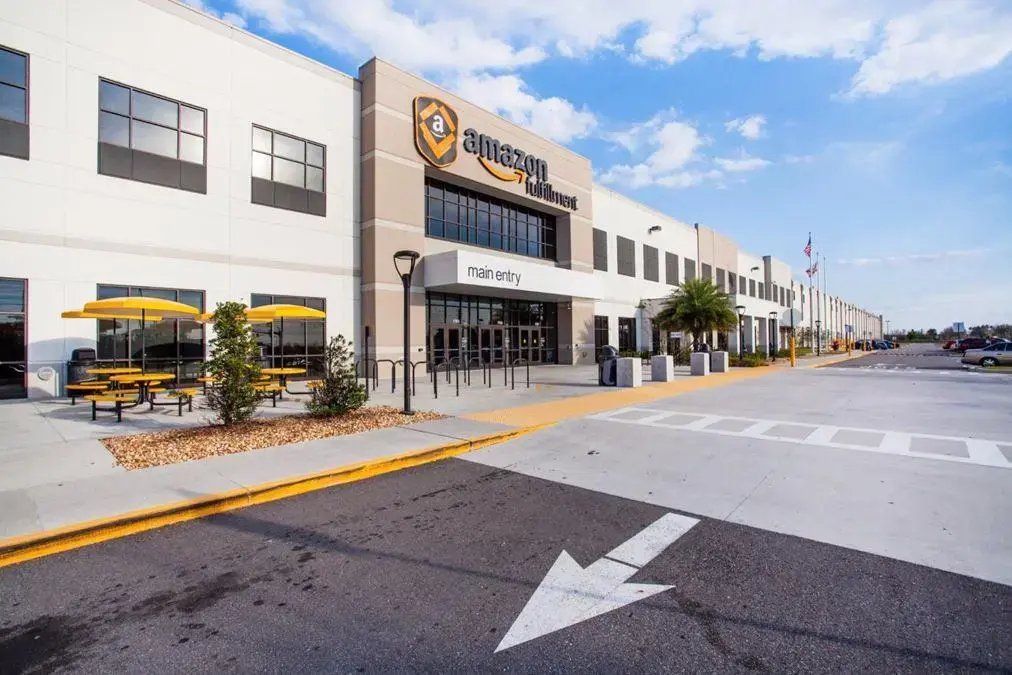
The Lakeland CDL-A market is primarily supported by large-scale distribution, food logistics, retail supply chains, and warehouse operations. The presence of major logistics facilities throughout Polk County creates consistent demand for drivers hauling dry van, refrigerated, grocery, and consumer goods freight.
Unlike coastal freight markets that depend heavily on port activity, Lakeland’s trucking economy is built around inland distribution. Drivers in this area benefit from steady freight volume generated by Central Florida’s growing population, tourism industry, and expanding retail network. Current opportunities can be explored through CDL-A job listings focused on regional and distribution-based positions.
Lakeland Freight Routes, I-4 Logistics Network & Driver Opportunities
Lakeland’s transportation network is centered around Interstate 4, connecting freight movement between Tampa, Orlando, Daytona Beach, and the wider Southeast region. This strategic position makes the city an important staging point for carriers managing high-volume distribution schedules throughout Florida.
Common CDL-A freight in the Lakeland area includes grocery products, beverages, packaged foods, retail inventory, building materials, and temperature-controlled shipments. Many drivers operate between distribution centers, warehouses, and customer locations throughout Central Florida while maintaining predictable schedules.
The surrounding Polk County logistics market also provides access to regional trucking lanes reaching Jacksonville, Miami, Atlanta, and other Southeast freight markets. Companies searching for experienced drivers frequently offer structured mileage programs through regional CDL-A truck driving jobs designed around Florida freight demand.
Lakeland’s combination of highway access, warehouse capacity, and central geography makes it attractive for both company drivers and independent operators who want consistent freight opportunities without being located inside a major metro traffic zone.
CDL-A Pay Potential, Equipment Standards & Lakeland Trucking Environment
CDL-A compensation in Lakeland reflects the strength of the Central Florida distribution market. Earnings vary by equipment type, freight category, experience level, and schedule. Refrigerated, dedicated distribution, and specialized freight positions often provide higher earning potential because of increased operational demands.
Carriers operating around Lakeland typically use modern equipment designed for regional and distribution operations, including Freightliner Cascadia, Kenworth T680, Peterbilt 579, and Volvo VNL tractors equipped with electronic logging and fleet tracking systems.
Safety compliance is a major focus for Lakeland trucking operations due to the volume of commercial traffic moving through the I-4 corridor. Professional drivers must maintain strong inspection records, follow FMCSA requirements, and operate efficiently within demanding warehouse schedules. Information about current industry requirements is available through DOT safety regulations updates.
As Central Florida continues expanding, Lakeland remains a competitive CDL-A market offering a balance of freight availability, highway connectivity, and stable career opportunities for drivers seeking long-term employment in Florida’s logistics sector.