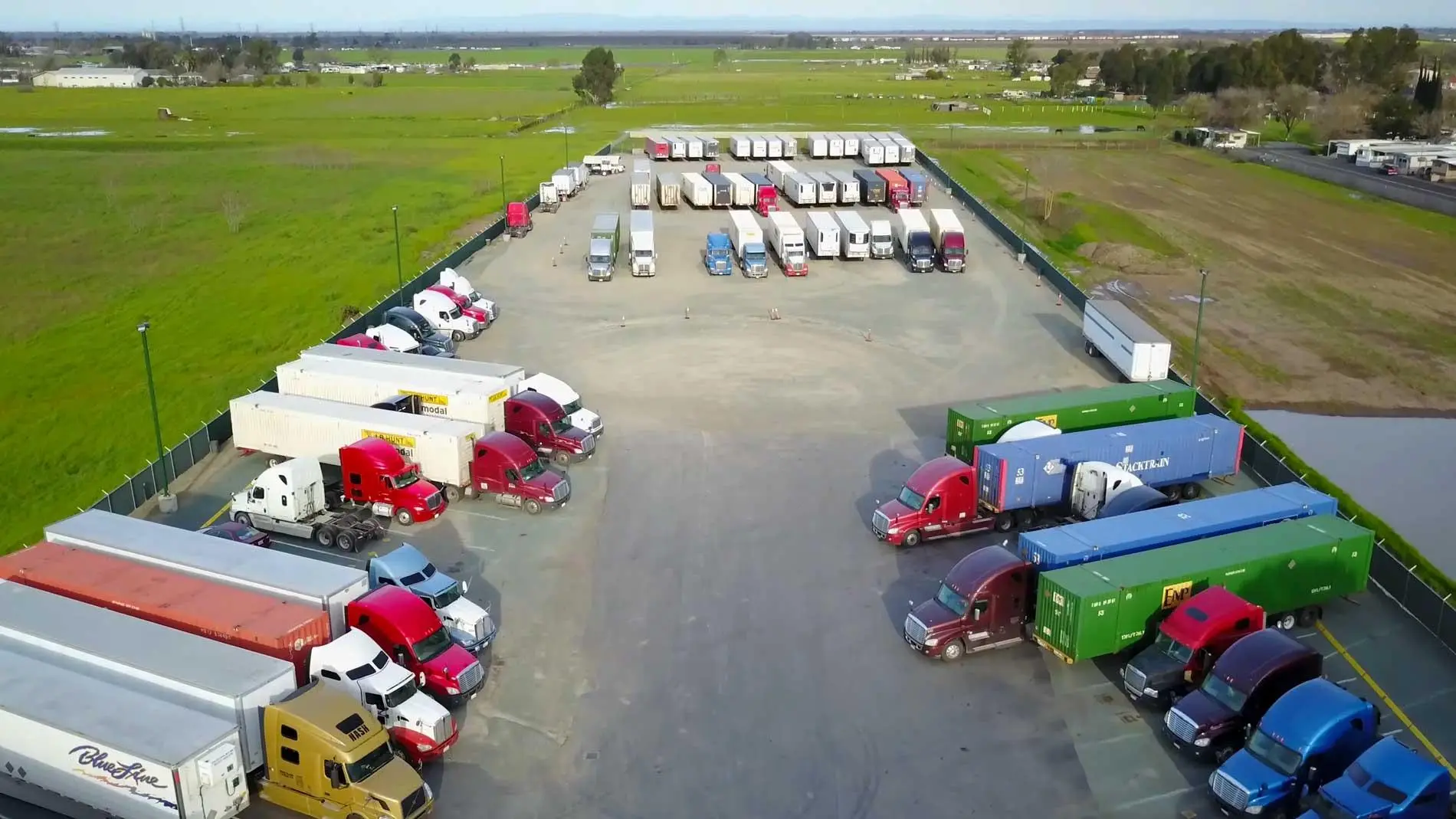
Stockton Logistics Vacancies
Active Carriers Recruiting Locally
...
HOT JOBS
Stockton CDL-A Market Intelligence
Northern California Inland Logistics Hub, Port Connections & Central Valley Freight Analysis
Stockton CDL-A Freight Market & Inland Northern California Logistics Hub
Stockton is one of the most important trucking markets in Northern California because of its location between the Bay Area, Central Valley agriculture region, and major interstate freight corridors. The city functions as an inland distribution center where freight from ports, manufacturers, farms, and warehouses moves throughout California and western states.
The local CDL-A market is supported by a diverse freight mix including refrigerated food products, agricultural commodities, retail distribution, construction materials, and container-related transportation connected to the Port of Oakland. Stockton’s combination of warehouse capacity and highway access creates steady demand for professional drivers across multiple equipment types.
Reefer drivers are especially important in this market due to the connection with California’s agricultural production areas. Produce, dairy products, and processed foods require reliable transportation between farms, cold storage facilities, and large distribution networks.
Drivers looking for opportunities in the region can review current CDL-A job listings from carriers operating throughout California’s major freight corridors.
Highway 99, Interstate 5 & Stockton Freight Transportation Network
Stockton’s location provides direct access to some of California’s busiest trucking routes. Interstate 5 connects the city with statewide and interstate freight movement, while Highway 99 serves as a critical agricultural and distribution corridor through the Central Valley.
Regional freight commonly moves between Stockton, Sacramento, the Bay Area, Fresno, Reno, and Southern California distribution markets. These routes support consistent opportunities for drivers hauling dry van, refrigerated, intermodal, and dedicated freight.
The city’s proximity to major warehouse facilities and transportation terminals creates strong demand for drivers who understand California freight operations, appointment-based deliveries, and high-volume distribution schedules.
Experienced drivers interested in expanding their operating area can also explore regional CDL-A driving opportunities throughout Northern California and neighboring states.
Stockton Driver Earnings, Equipment & Career Opportunities
CDL-A pay levels in Stockton vary depending on freight specialization, experience, and schedule requirements. Drivers handling refrigerated loads, dedicated accounts, and specialized freight often have opportunities for higher earnings because these operations require reliability and careful load management.
Carriers operating in the Stockton market typically use modern tractors including Freightliner Cascadia, Kenworth T680, Peterbilt 579, and Volvo VNL models. Electronic logging systems, GPS fleet tracking, and digital dispatch platforms are common tools used to improve safety and delivery performance.
California trucking also requires strong knowledge of state regulations, emissions standards, and commercial vehicle safety requirements. Drivers operating around Stockton must be prepared for busy freight corridors, seasonal agricultural volume changes, and strict delivery appointments.
With its combination of agriculture, port-related freight, warehousing, and interstate access, Stockton remains a reliable CDL-A employment market for drivers seeking stable freight opportunities in Northern California.