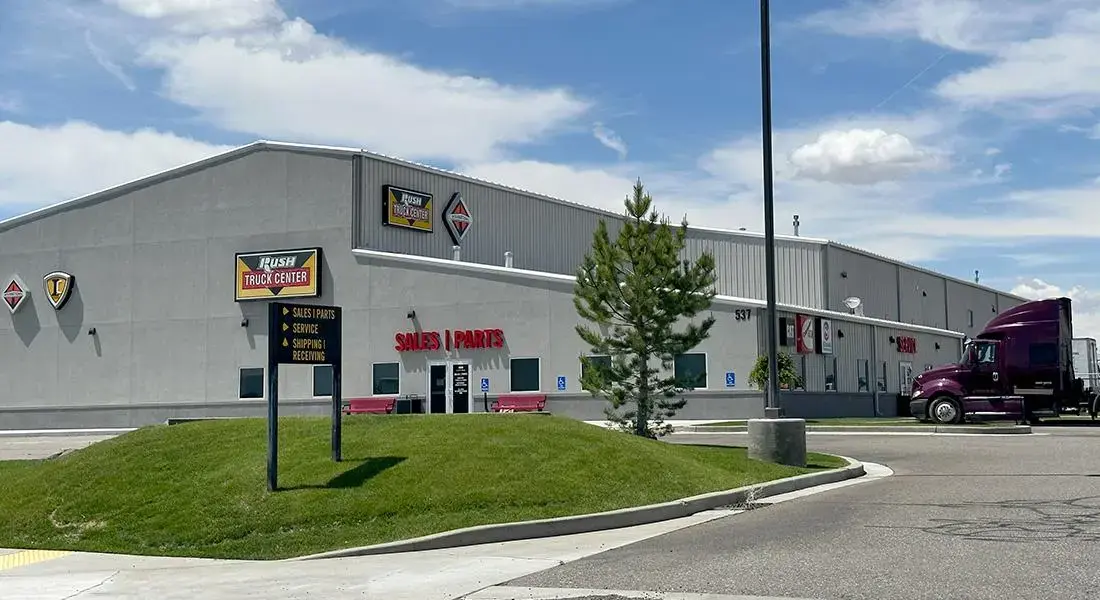
Idaho Falls Logistics Vacancies
Active Carriers Recruiting Locally
...
HOT JOBS
Idaho Falls CDL-A Intelligence
Eastern Idaho Agricultural Center & Mountain West Industrial Freight CDL-A Market Analysis
Idaho Falls CDL-A Market Overview & Eastern Idaho Transportation Network
Idaho Falls operates as one of the most important freight points in Eastern Idaho, supporting a transportation network built around agriculture, food production, energy operations, and regional manufacturing. The city does not function as a large metropolitan distribution center, but its location makes it an essential connection point between rural producers and larger western freight markets.
The local CDL-A market is strongly influenced by Idaho’s agricultural economy. Potato production, dairy operations, livestock, grain, and food processing facilities generate steady demand for refrigerated, dry van, and bulk transportation throughout the region.
Idaho Falls also benefits from its proximity to major industrial employers and energy-related operations, creating additional freight demand for equipment transportation, construction materials, and specialized loads. Drivers searching for current opportunities in this area can review available positions through CDL-A job listings.
Eastern Idaho Freight Corridors & Regional Trucking Opportunities
Freight movement around Idaho Falls depends heavily on Interstate 15 and U.S. Highway 20, creating connections between Idaho, Utah, Montana, and Wyoming. These corridors allow carriers to move agricultural products, industrial supplies, and consumer goods throughout the Mountain West.
The region’s freight patterns are different from major urban markets. Instead of dense warehouse traffic, drivers often move between farms, processing facilities, manufacturing locations, energy sites, and regional distribution points spread across longer distances.
Refrigerated transportation plays an important role because Eastern Idaho is one of the nation’s major food production areas. Seasonal harvest periods and food processing schedules can create increased demand for experienced drivers capable of handling temperature-controlled freight.
Regional carriers operating from Idaho Falls commonly serve routes toward Salt Lake City, Boise, Pocatello, Wyoming, and Montana. These lanes provide opportunities for drivers seeking consistent western freight coverage through regional CDL-A truck driving jobs.
Idaho Falls CDL-A Earnings, Equipment & Mountain Driving Environment
CDL-A earnings in Idaho Falls depend on freight specialization, route length, and seasonal demand. Refrigerated freight, industrial hauling, and specialized transportation can provide stronger earning opportunities because of the experience required and the operating conditions throughout the Mountain West.
Fleets serving the Idaho Falls market typically operate modern equipment including Freightliner Cascadia, Kenworth T680, Peterbilt 579, and Volvo VNL tractors. Many carriers use electronic logging systems, GPS tracking, and digital dispatch tools to manage longer routes and improve driver efficiency.
Drivers in Eastern Idaho must be prepared for unique regional conditions including winter weather, mountain passes, rural highways, and longer distances between freight locations. Strong trip planning and weather awareness are important skills for maintaining safe operations.
Idaho Falls continues to provide stable CDL-A career opportunities because of its connection to agriculture, industrial growth, and western freight corridors. Drivers can follow industry changes and career trends through trucking industry market updates.