


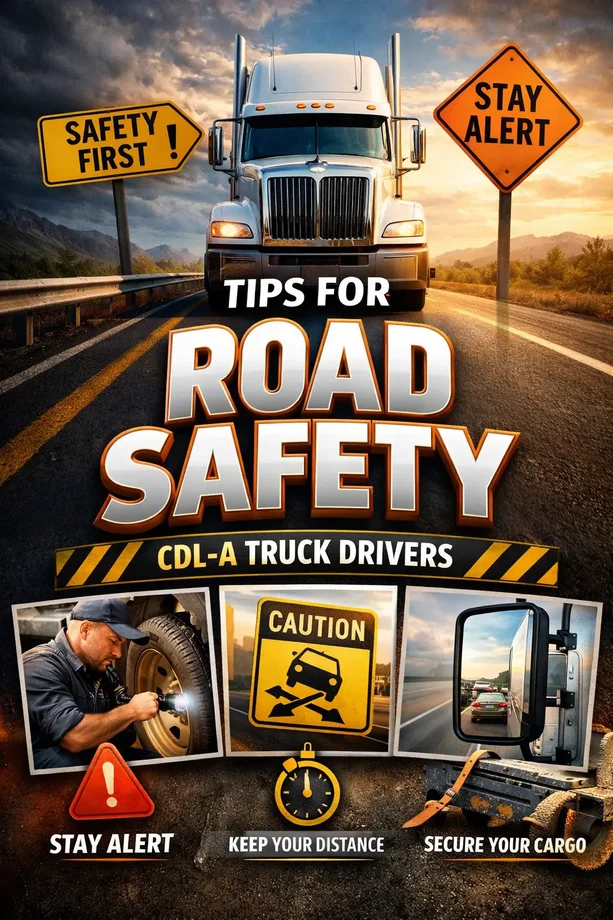
Top CDL-A Truck Driving Tips for OTR, Regional, and Local Routes in 2026
Published on March 8, 2026
For CDL-A drivers looking to maximize both safety and earnings, understanding key truck driving practices is essential. Whether you’re on OTR routes, Regional routes, or Local runs, these tips will enhance your driving performance, reduce risks, and help maintain high pay potential.
Pre-Trip Inspections
Start each day by performing a thorough pre-trip inspection. Check brakes, tires, lights, mirrors, and fluid levels. Even minor oversights can result in costly delays or accidents. Modern CDL-A trucks often feature advanced diagnostic systems, but the human eye remains critical. Regular inspections ensure that you’re ready for Flatbed, Reefer, or Dry Van loads.
Safe Following Distances
Maintaining a safe following distance is vital for all CDL-A drivers. Large trucks require extra stopping distance, especially when hauling heavy freight like HazMat or Tanker loads. In good weather, a 4-second gap is recommended, increasing to 6+ seconds during rain, snow, or fog. Proper spacing reduces collision risk and protects cargo.
Avoid Distracted Driving
Distractions behind the wheel are among the leading causes of accidents. Hands-free GPS, mobile communication, and controlled cabin environments can reduce risk. Focus is particularly important when driving OTR lanes, where fatigue and unfamiliar roads add to the challenge.
Driving in Adverse Weather
Adjust your driving to match conditions. Snow, ice, and heavy rain require slower speeds and smoother maneuvers. Remember that trucks are more prone to jackknifing or skidding, especially on Dedicated or Regional routes. Keeping an eye on weather reports and having winter tires or chains can be lifesaving.
Rest and Break Management
Fatigue contributes significantly to truck accidents. Following Hours of Service (HOS) rules, taking regular breaks, and getting adequate sleep improves alertness. Many top-paying OTR routes offer layover options and sleeper cabs, making proper rest achievable even on long journeys.
Blind Spots and Intersections
Understanding truck blind spots is critical. Always check mirrors before changing lanes, merging, or turning. Intersections are high-risk areas; proceed cautiously and anticipate driver behavior. Advanced CDL-A trucks may include sensors and cameras, but situational awareness remains the driver’s primary defense.
Cargo Security
Properly securing freight is mandatory for safety and regulatory compliance. Use tie-downs, straps, and load locks, especially when handling Reefer, Flatbed, or Hazardous materials. Balanced loads reduce wear on trucks and prevent shifting that could lead to accidents or fines. Regularly inspect your cargo during stops.
"Even seasoned CDL-A drivers benefit from revisiting road safety and cargo management practices. Safe driving ensures you keep high-paying OTR, Regional, or Local positions while protecting yourself and others on the road."
By combining careful pre-trip checks, defensive driving techniques, smart rest management, and proper cargo security, CDL-A drivers can excel across all route types. High-paying positions for Dedicated, Flatbed, Reefer, HazMat, Tanker, and Dry Van trucks are within reach for professionals committed to safety and efficiency.
For career opportunities, explore our curated listings of OTR CDL-A jobs, Regional CDL-A positions, and Local driving roles. Many carriers offer competitive pay, consistent miles, and modern trucks equipped for safety and comfort.
Find High-Paying CDL-A Truck Driving Jobs Today
Browse OTR, Regional, and Dedicated CDL-A positions with consistent freight, competitive pay, and modern equipment.
Browse CDL-A Jobs